
Marble
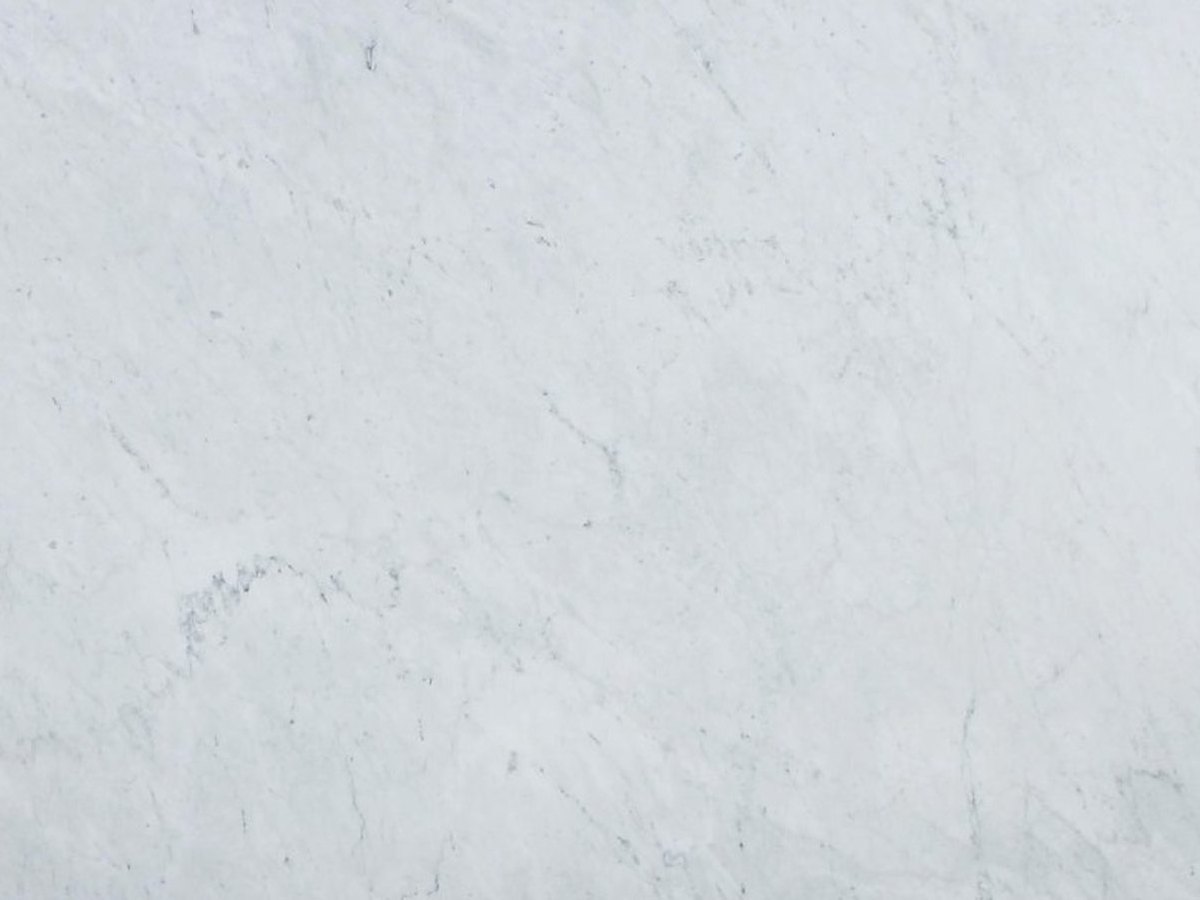
Bianco Carrara
The best-known Italian marble in the world: a pearl-white ground crossed by fine, evenly spaced grey veins.


Marble · Italy and abroad
From the faintest blush to salmon: eleven pinks, from Verona's Rosa Corallo to Rosa Portogallo, from Norwegian Rose to the Turkish pinks.
Lounge area: wall and coffee table in Norwegian Rose, polished finish
The slabs
Eleven pinks photographed in the same setting at the same scale, in order of origin: first Italy and the Iberian peninsula, then Greece and Norway, then Türkiye, the United States and Asia. Sizes are those of real lots on the market and vary a great deal from stone to stone: Rosa Valencia comes in 240 cm slabs, Rosa Aurora reaches almost two metres in height. These are fragile stones: slabs often arrive resin-treated, and the ones shown here are a reference for the material, not the lot you will choose.

280 × 130 cm2 cm and 3 cm thick
A soft coral pink, in paler and deeper clouds, with small white spots and fine veins. It is a limestone from the hills of Verona: it is quarried at Grezzana, in the same partly underground deposits as Rosso and Bianco Verona, of which it is the middle layer. Much of the output goes into aggregates: for slabs, check the lot before designing around it.
Request this selection: Rosa Corallo
275 × 145 cm2 cm and 3 cm thick
A pale, almost powder-pink ground crossed by grey-green veins in slanting bands. It is quarried in the Estremoz anticline, between Estremoz, Borba and Vila Viçosa, which also gives the paler Rosa Aurora and medium to deep pinks. Colour varies a great deal from block to block, and vein-free material is the rarest: less than a fifth of production.
Request this selection: Rosa Portogallo
297 × 198 cm2 cm and 3 cm thick
The palest selection of the Estremoz district: an even powder pink, with milk-white patches and a few fine white and grey-green veins. It comes from the same quarries as Rosa Portogallo and, like it, changes tone from block to block. It is the pink of the group that gives the tallest slabs.
Request this selection: Rosa Aurora
240 × 110 cm2 cm and 3 cm thick
A salmon pink leaning towards orange, crossed by thin, wavy red-brown veins and a few white threads. It is quarried at Barxeta, in the province of Valencia, in medium to large blocks: among the pinks it is one of the most readily available, and honed or bush-hammered it also goes outdoors.
Request this selection: Rosa Valencia
277 × 156 cm2 cm and 3 cm thick
A milk white with the faintest blush, run through by wavy pink and beige bands that cross the slab diagonally like wind-blown layers. It is quarried in Greece, on Mount Pelion above Volos, in scarce quantities; its structure is fragile, almost glassy, and slabs are almost always resin-treated.
Request this selection: Rosa Egeo
315 × 163 cm2 cm and 3 cm thick
Coral-pink and white lenses stretched horizontally, with green and grey threads between them. It is quarried at Fauske in Nordland, north of the Arctic Circle, where the quarries have worked since the late nineteenth century. The figure runs in one direction only: the direction of laying is decided before cutting.
Request this selection: Rosa Norvegia
270 × 150 cm2 cm and 3 cm thick
An almost white ground shaded with salmon and beige, crossed by broad diagonal bands of light grey and pink. It is a limestone from Yatağan, in the province of Muğla in south-western Türkiye; fragile structure, limited availability and blocks no larger than about 270 × 150 cm.
Request this selection: Rosa Bellissimo
280 × 170 cm2 cm and 3 cm thick
A dusty antique pink, the colour Turkish calls gül kurusu, «dried rose», with paler clouds and fine red-brown veins. It is quarried at Bilecik, in Anatolia, and was among the first Turkish marbles sold abroad; the palest selection, almost cream, is sold as Rosalia Light.
Request this selection: Rosalia
265 × 180 cm2 cm and 3 cm thick
A full salmon pink, with paler clouds, fine dark red veins and a few white patches of calcite. It is quarried in eastern Türkiye, around Elazığ and Diyarbakır, in limited quantities, and slabs are resin-treated to close micro-fissures. Iranian, Philippine and Chinese stones are also sold under the same name: origin is declared lot by lot.
Request this selection: Rosa Tea
274 × 152 cm2 cm and 3 cm thick
A coarse-grained crystalline salmon pink, crossed by long grey-green and charcoal bands. It has been quarried at Tate, Georgia, since 1890: it was the first truly pink marble in the United States, and today a single producer extracts it. There are no ready slabs on the market: it is cut to order, project by project.
Request this selection: Etowah
288 × 178 cm2 cm and 3 cm thick
Bands of sage green and antique pink divided by a wine-red wave: the most theatrical slab of the group, best kept to a single wall. The name is recent and sources disagree: the most cited origin is Battambang province, Cambodia, with processing in China, and some suppliers classify it as a quartzite. Before using it on a worktop, an acid test is run on a sample from the lot.
Request this selection: Four Seasons PinkPink marbles range from the faintest blush on white to full salmon, and nearly all of them come from abroad. Italy has Rosa Corallo, a limestone from the hills of Verona. Around Estremoz, in the Alentejo, Rosa Portogallo and the paler Rosa Aurora have been quarried since Roman times; Spain gives Rosa Valencia, Greece the Rosa Egeo of Mount Pelion. Norwegian Rose, from Fauske north of the Arctic Circle, is the most recognisable of the family, in stretched pink and white lenses. Türkiye gives three different pinks: the almost white Rosa Bellissimo, the dried-rose Rosalia and the salmon Rosa Tea. The list closes with the American Etowah and Four Seasons Pink, in which pink alternates with green. They are delicate marbles: slabs are often consolidated with resin, and tone changes from block to block, so the slab is chosen by eye. Rosa Perlino from Asiago is on the Perlino page.
How the finish changes the stone
Installed
Stone changes with the surface it covers: on a continuous wall the figure reads in full, on a floor you walk across it. These are reference settings.


Reference renderings, not Eurostone supplies: they show the material in place, not a completed project.
Free quotation
Material selection, processing placed with the workshop equipped for that finish, packing on A-frames or in sea crates, customs documentation and shipping. One point of contact, even ten thousand kilometres away. We reply within 24 working hours.
See also
Same category or similar colour: worth comparing before you decide.
Marble
The best-known Italian marble in the world: a pearl-white ground crossed by fine, evenly spaced grey veins.
Marble
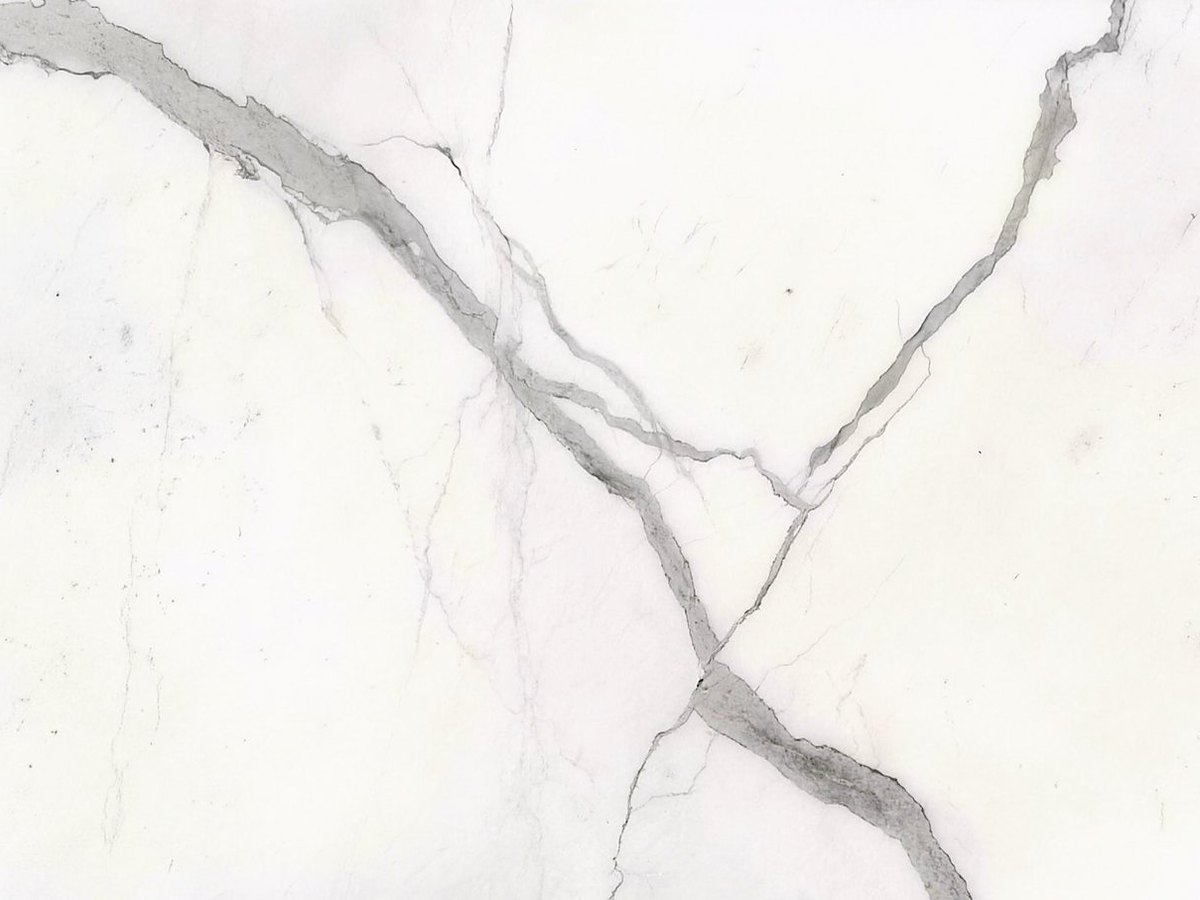
A pure white ground with bold, dramatic grey veining: the marble of classical statuary.
Marble
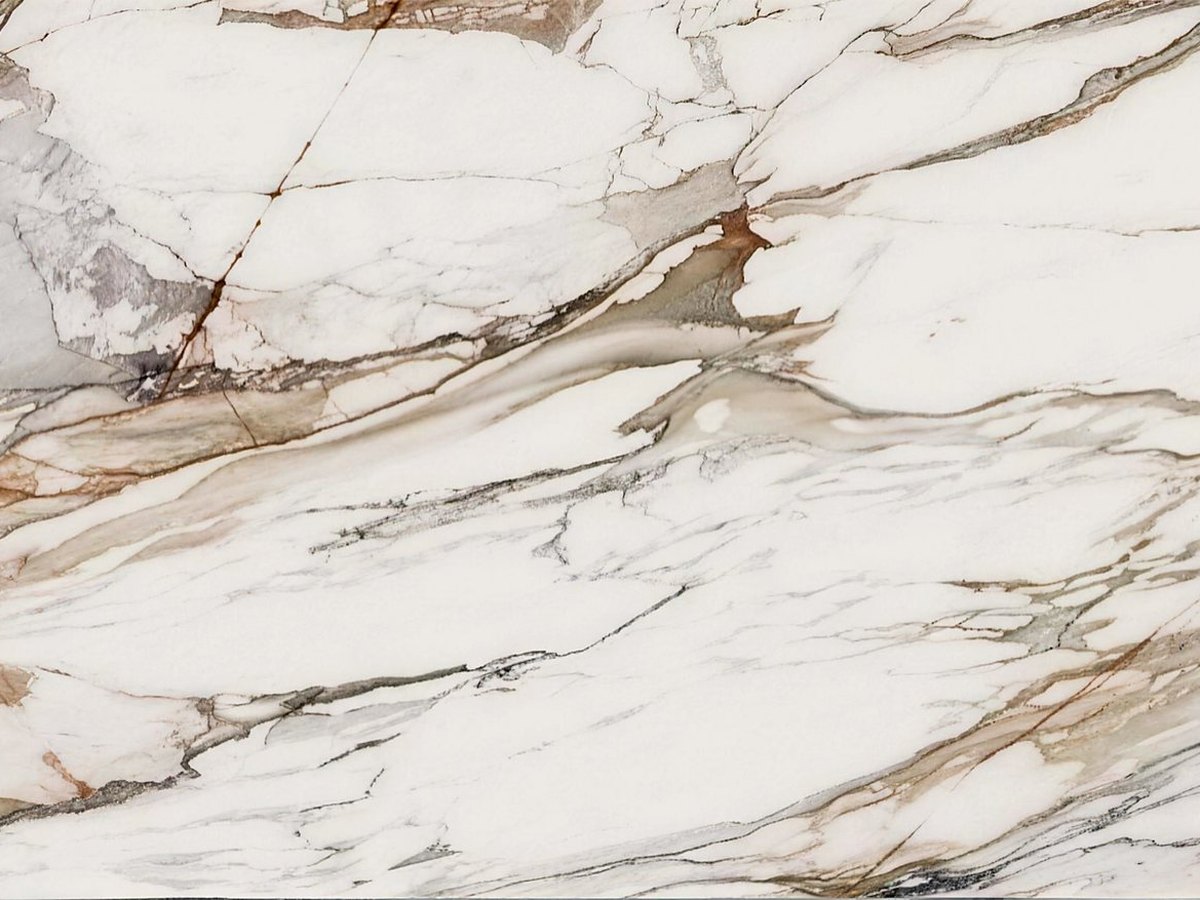
A warm white ground with broad gold, taupe and grey veining: the marble most in demand in contemporary design.