
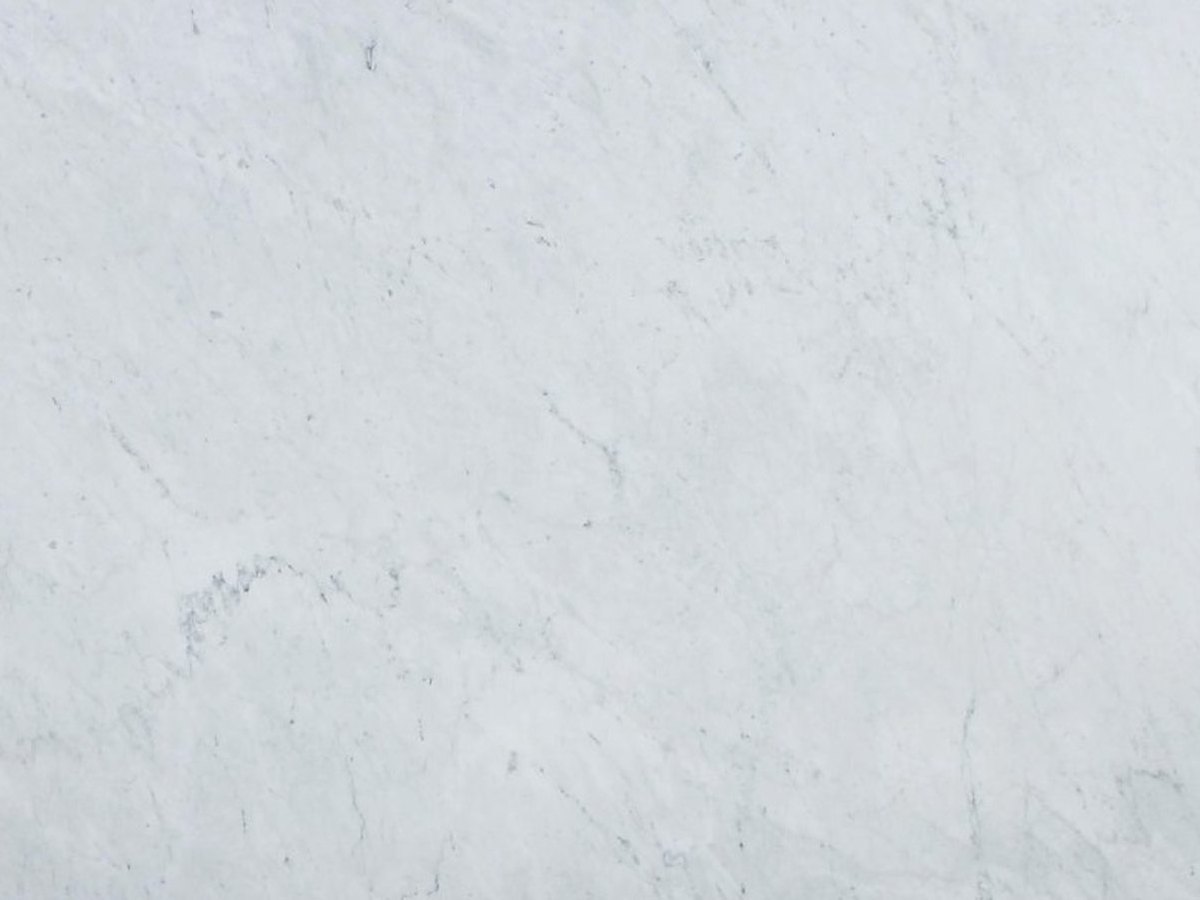
Marble
Bianco Carrara
The best-known Italian marble in the world: a pearl-white ground crossed by fine, evenly spaced grey veins.


Marble · Italy
A warm white ground with broad gold, taupe and grey veining: the marble most in demand in contemporary design.
Bedroom: book-matched wall behind the bed, two slabs opened like a book, polished finish
The slabs
Eight selections of the same Apuan family, photographed in the same setting at the same scale, ordered from the one that veins least to the one that veins most. With Calacatta the size is not the variable — the Apuan block gives slabs of around 300 × 170 cm — and neither is the ground colour, a warm white in all eight. What changes, and what sets the price, is how much stone moves across that ground.

300 × 170 cm2 cm and 3 cm thick
The most restrained reading of the family: a warm white ground crossed by fine, well-spaced grey veins with few golden accents. This is the Calacatta to choose when the surface is large and the figure must not take over.
Request this selection: Calacatta Classico
300 × 170 cm2 cm and 3 cm thick
The brightest: an almost white ground crossed diagonally by delicate, almost transparent grey and gold veins. The trade also calls it Calacatta Light, and it is the choice for anyone who wants the warmth of Calacatta without the strong figure.
Request this selection: Calacatta Luccicoso
290 × 165 cm2 cm and 3 cm thick
A very white, even ground crossed by a very fine net of dove-grey veins and the occasional golden thread. It comes from the Barattini quarry at Carrara — the one Michelangelo drew his sculpture marble from — and is also sold as Statuario Michelangelo. The quarry works intermittently: availability is confirmed lot by lot.
Request this selection: Calacatta Michelangelo
300 × 180 cm2 cm and 3 cm thick
A white ground with broad, slanting veins that run from grey to gold. Quarried at Vagli di Sotto in the Garfagnana, it is the variety that holds warm and cool tones in the same slab — which is why it sits equally well against pale timber and dark metal.
Request this selection: Calacatta Vagli
310 × 170 cm2 cm and 3 cm thick
The big figure: across the pale ground run cloudings from light yellow to brown, with passages that turn at times towards green and violet. This is the variety for open-book laying, where two consecutive slabs open the pattern like a book.
Request this selection: Calacatta Macchia Vecchia
300 × 170 cm2 cm and 3 cm thick
A white ground broken by a dark grey breccia that opens into broad islands, with golden and rust filaments in the fractures. Also found as Calacatta Green Picasso, it is the grade that sits between Macchia Vecchia and Corchia: the figure of the one with the warmth of the other.
Request this selection: Calacatta Picasso
300 × 180 cm2 cm and 3 cm thick
The greyest of them: across the white ground opens a brecciated net of dark grey and greenish veins, with larger compact islands between them. It is quarried on Monte Corchia at Stazzema, where it comes out alongside Arabescato — and the figure is a close relative.
Request this selection: Calacatta Corchia
300 × 170 cm2 cm and 3 cm thick
The most recognisable of them all: a white ground broken by a violet and burgundy breccia, with golden filaments in the fractures. It is a fragile material that leaves the sawmill resined and mesh-backed: it is fabricated with care and chosen for a single statement piece, not for a large area.
Request this selection: Calacatta ViolaCalacatta is not a marble: it is a family of marbles from the Apuan Alps, told apart from Carrara by its warmer ground and its broad, dramatic veining. Each selection carries the name of the quarry it comes from — Vagli in the Garfagnana, Corchia and Viola at Stazzema, Michelangelo at Carrara — and between one and the next everything changes except the ground: how much grey, how much gold, how much movement. It is the marble of the book-match, two consecutive slabs opened like a book so the figure develops symmetrically. One thing is worth knowing before you buy: «Calacatta» names a quarry area and is not a protected designation, which is why the name also travels on quartz, porcelain and sintered stone that merely imitate Apuan marble. The eight selections below are block marble, and the quarry is stated.
How the finish changes the stone
Installed
Stone changes with the surface it covers: on a continuous wall the figure reads in full, on a floor you walk across it. These are reference settings.


Reference renderings, not Eurostone supplies: they show the material in place, not a completed project.
Free quotation
Material selection, processing placed with the workshop equipped for that finish, packing on A-frames or in sea crates, customs documentation and shipping. One point of contact, even ten thousand kilometres away. We reply within 24 working hours.
See also
Same category or similar colour: worth comparing before you decide.
Marble
The best-known Italian marble in the world: a pearl-white ground crossed by fine, evenly spaced grey veins.
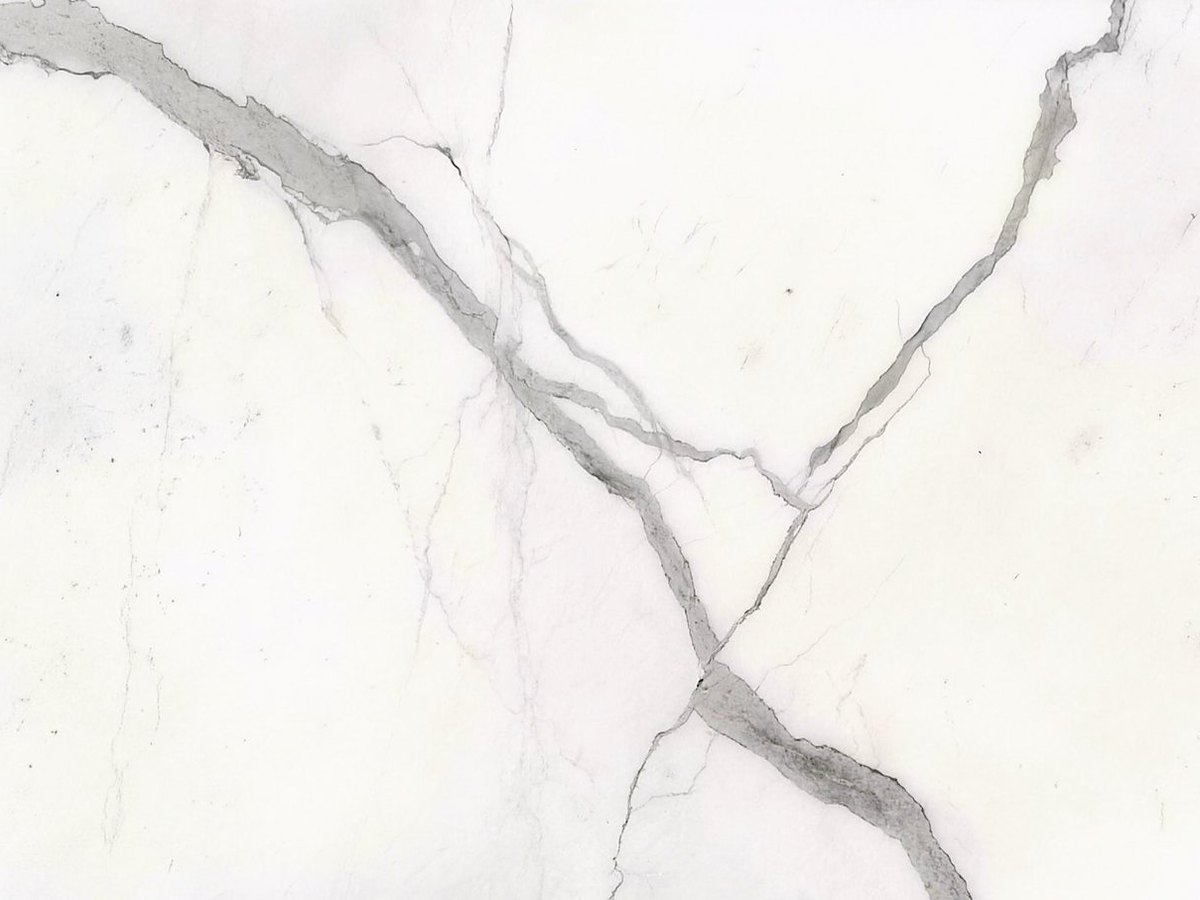
Marble
A pure white ground with bold, dramatic grey veining: the marble of classical statuary.
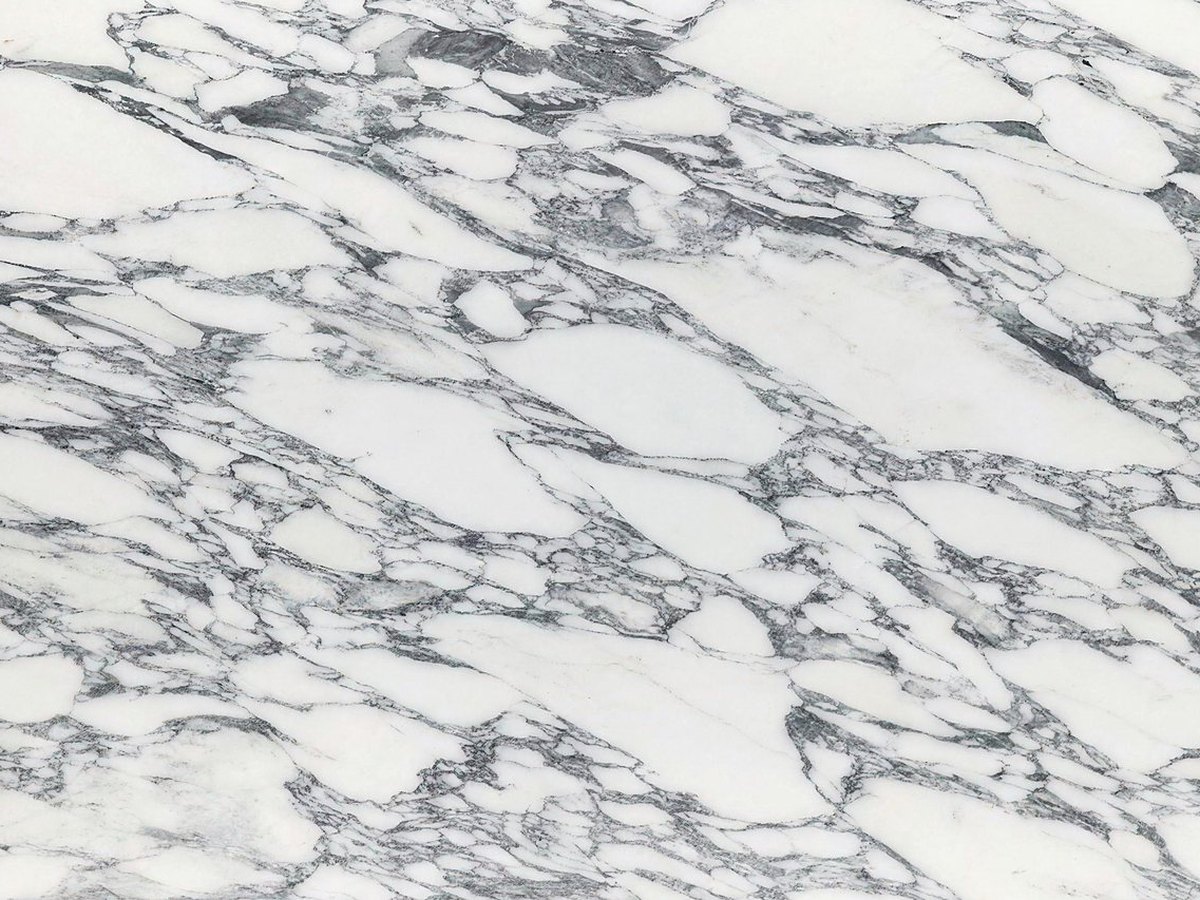
Marble
Veins interlacing like an arabesque: white and grey from the Apuan Alps, dark grey and red from the Orobic Alps.