
Marble
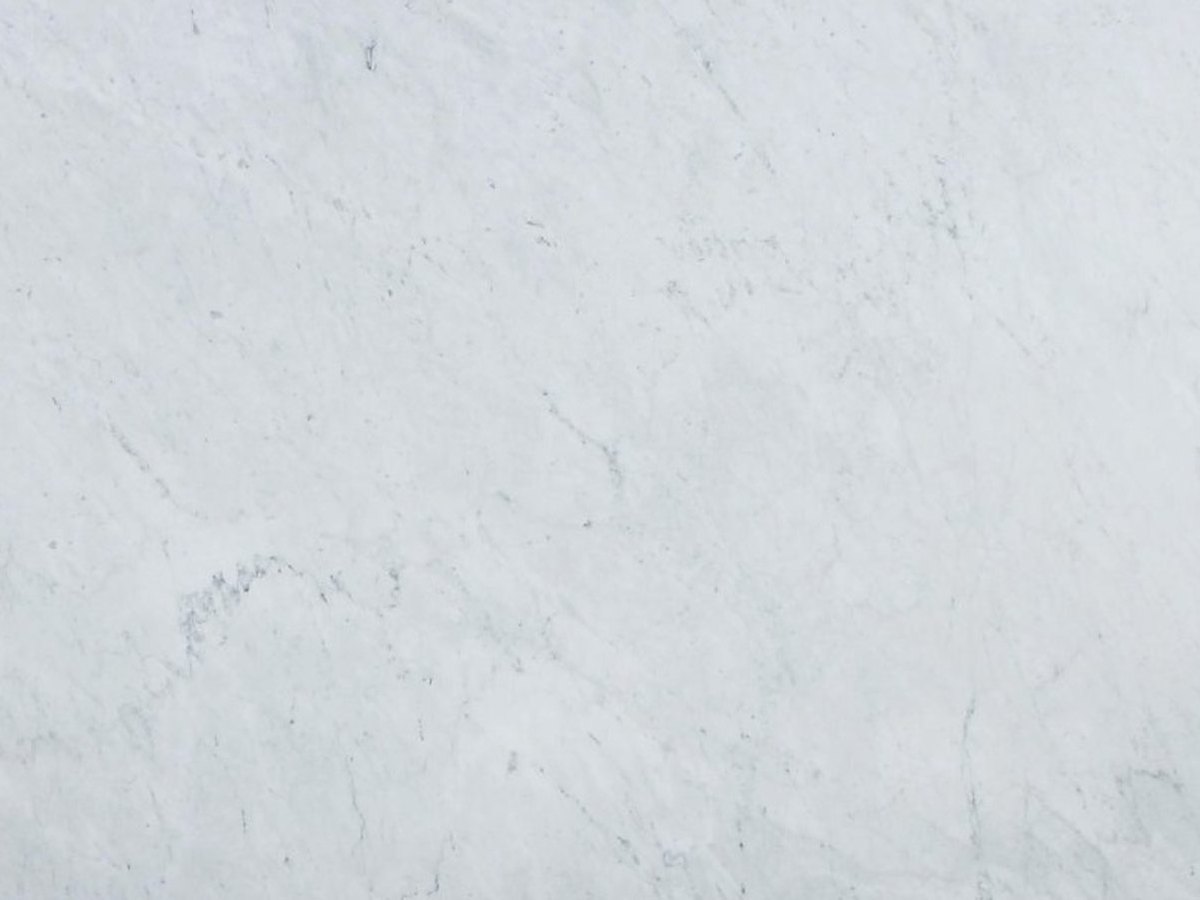
Bianco Carrara
The best-known Italian marble in the world: a pearl-white ground crossed by fine, evenly spaced grey veins.


Marble · Italy and abroad
Angular fragments cemented together: every slab is a one-off composition, from pastel pink to wine red.
Kitchen: island, splashback and hood in pink breccia with oblique bands, polished finish
The slabs
Eleven breccias photographed in the same setting at the same scale: first the Lombard ones from the Botticino basin, then Veneto, Tuscany, the Alps, Sardinia and Sicily, and finally Breccia Grigia and Turkish Breccia Vino. Sizes are those of real lots on the market; in breccias the pattern changes a great deal from block to block, and the slab is chosen in person.

320 × 195 cm2 cm and 3 cm thick
Pastel shades of beige, hazel and pink, with rounded fragments bound by lighter veins: the softest breccia of the family. It is quarried at Serle, in the Brescian Prealps, and is one of the oldest stones of the Botticino basin.
Request this selection: Breccia Oniciata
280 × 180 cm2 cm and 3 cm thick
Pink, orange and cream in oblique bands, with elongated fragments that give the pattern a flame-like movement. It is a variety of Breccia Oniciata, quarried at the mouth of the Val Sabbia, near Brescia; it is also found as Breccia Damascata Oro.
Request this selection: Breccia Damascata
310 × 185 cm2 cm and 3 cm thick
A beige ground crossed by broad waves of ochre, rust and dark grey, with light fragments: the most dynamic of the Brescian breccias. It is quarried between Paitone, Nuvolento and Gavardo, in the Botticino basin.
Request this selection: Breccia Aurora
300 × 140 cm2 cm and 3 cm thick
Pink, salmon and cream fragments in a coral-red matrix: the name comes from the partridge's feathers. It is a brecciated limestone from Monte Pastello, in the province of Verona, quarried since the early twentieth century, and is sold in three shades, from light to dark.
Request this selection: Breccia Pernice
318 × 174 cm2 cm and 3 cm thick
An ivory-white ground broken by violet, cyclamen and dark grey fragments running in oblique bands. It is quarried in the Apuan Alps, between Monte Altissimo and Monte Carchio; the quarry, closed in the 1950s, was reopened in 1970, and the material was also known as Fior di Pesco Apuano.
Request this selection: Breccia Capraia
270 × 150 cm2 cm and 3 cm thick
Light grey and white fragments held in a purplish-brown matrix, with veins running diagonally. The pattern is that of the Apuan breccias of Versilia, like Breccia Medicea from Seravezza; the name is a trade name and the quarry is declared lot by lot.
Request this selection: Breccia Toscana
280 × 139 cm2 cm and 3 cm thick
A polychrome breccia: grey and white fragments in a red-brown matrix, with yellow and ochre veins. It is quarried high in the Alps, on the border between Italy and Switzerland, and has been known for centuries: in the eighteenth century it was carved into fireplaces.
Request this selection: Breccia San Giorgio
315 × 175 cm2 cm and 3 cm thick
A light beige and warm grey, with fine veins running parallel on the diagonal. It comes from Orosei (NU) in Sardinia: it is the name under which material from the same basin as Daino Reale and Perlato Olimpo is sold, shown here with a honed finish.
Request this selection: Breccia Sarda
297 × 170 cm2 cm and 3 cm thick
A powder-pink ground full of small and large fragments in beige, sage green and pink: a dense, luminous breccia. It is of Sicilian origin and is also found as Ceppo di Sicilia; it varies greatly from slab to slab, from coarse and pinkish to fine and greener.
Request this selection: Breccia Botticelli
274 × 178 cm2 cm and 3 cm thick
Angular pearl-grey, white and anthracite fragments tightly interlocked, some with internal striations: the coolest and most graphic breccia of the family. It is an Italian stone; grey breccias from Turkey and China also travel under similar names, and origin is declared lot by lot.
Request this selection: Breccia Grigia
300 × 160 cm2 cm and 3 cm thick
A deep wine red, almost purple, broken by a network of sharp white veins. It comes from the province of Elazığ, in eastern Turkey, and is the same stone sold as Turkish Rosso Levanto or Rosso Lepanto: geologically it is a serpentinite, not a marble.
Request this selection: Breccia VinoBreccias form when angular rock fragments are cemented into a matrix of a different colour: the pattern is complex and never repeats. Italy is the country of breccias. The Botticino basin, near Brescia, gives Oniciata, Damascata and Aurora; Monte Pastello, near Verona, gives Pernice; the Apuan Alps give Capraia and the breccias of Versilia. San Giorgio comes from the Alps, Breccia Sarda from Sardinia, Botticelli from Sicily, and Breccia Vino from eastern Turkey. They are the most theatrical marbles in the catalogue: they should be seen on the actual slab before any design choice.
How the finish changes the stone
Installed
Stone changes with the surface it covers: on a continuous wall the figure reads in full, on a floor you walk across it. These are reference settings.


Reference renderings, not Eurostone supplies: they show the material in place, not a completed project.
Free quotation
Material selection, processing placed with the workshop equipped for that finish, packing on A-frames or in sea crates, customs documentation and shipping. One point of contact, even ten thousand kilometres away. We reply within 24 working hours.
See also
Same category or similar colour: worth comparing before you decide.
Marble
The best-known Italian marble in the world: a pearl-white ground crossed by fine, evenly spaced grey veins.
Marble
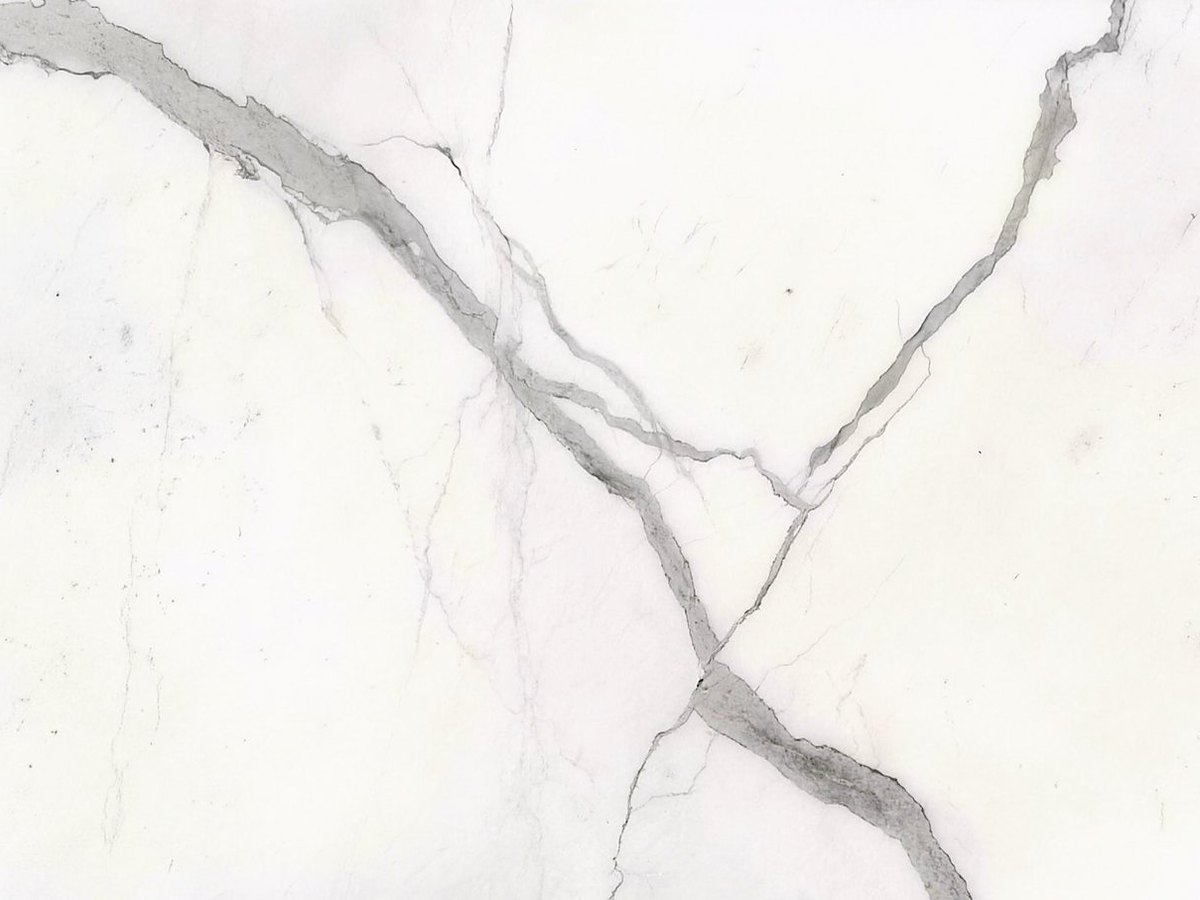
A pure white ground with bold, dramatic grey veining: the marble of classical statuary.
Marble
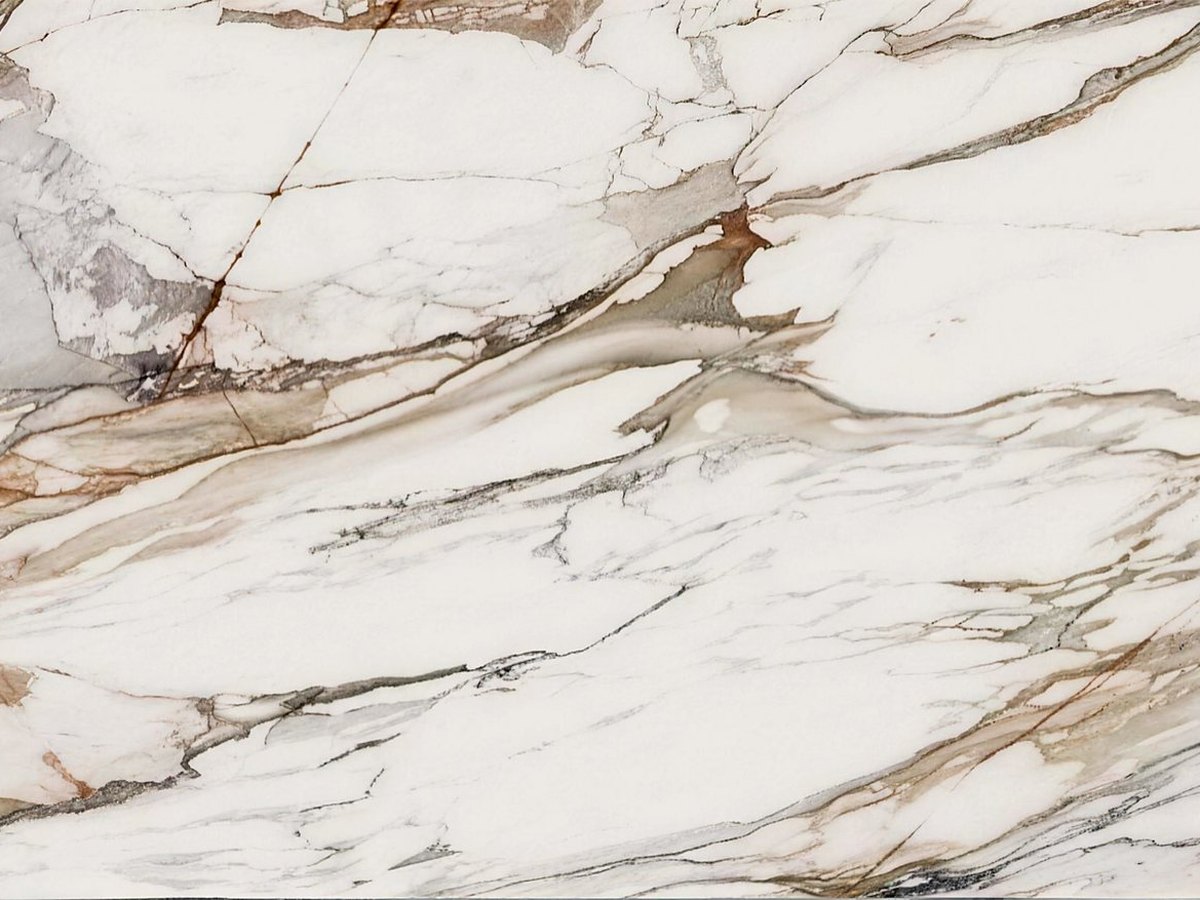
A warm white ground with broad gold, taupe and grey veining: the marble most in demand in contemporary design.